
AI Fire and Smoke Detection Camera System: Early Warning Before It Spreads
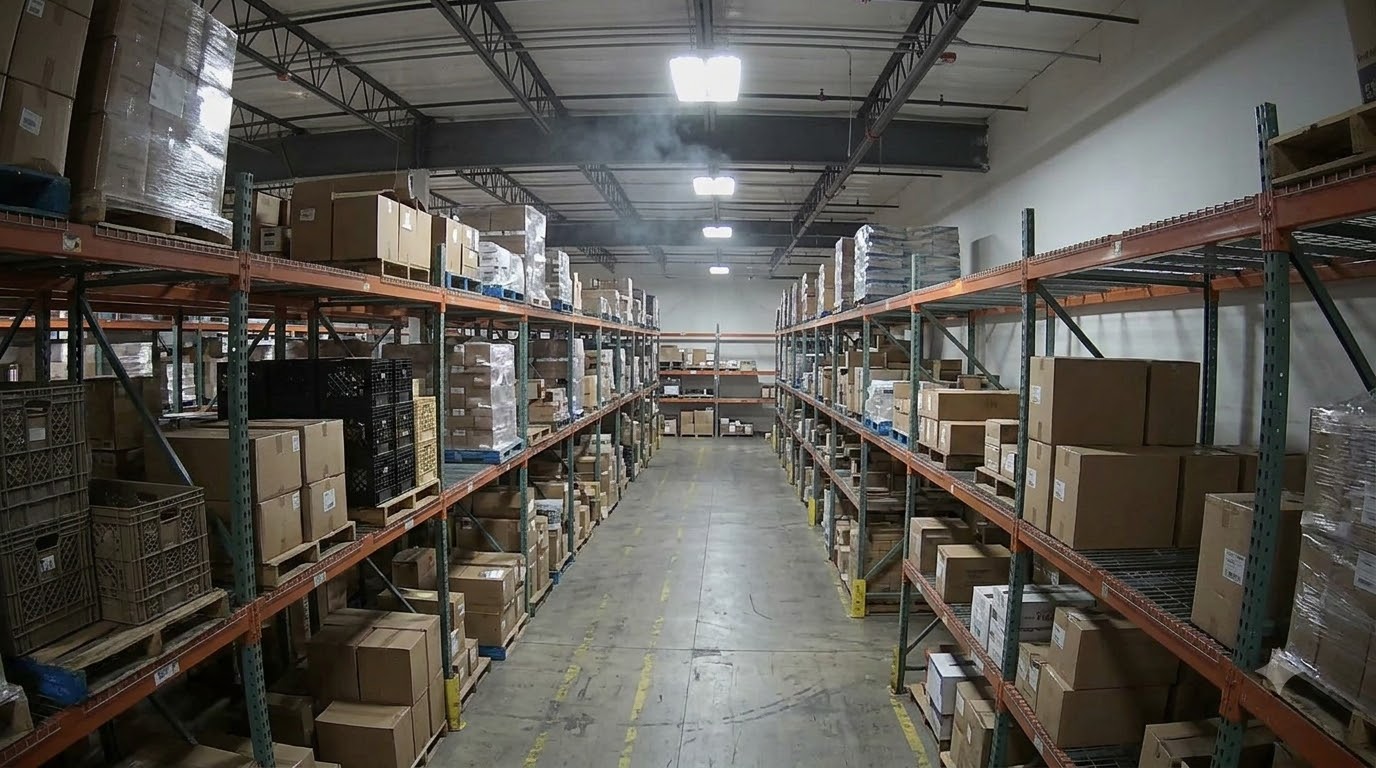
Traditional smoke detectors need smoke to physically reach the sensor before they trigger — which means the fire has often already gained real hold by the time an alarm sounds, and they say nothing about *where* the fire started or how it's developing. An AI-powered fire and smoke detection camera system works differently: it watches your camera feeds continuously and recognizes the visual signature of flame or smoke the moment it appears in frame, anywhere in view, not just near a fixed sensor point.
How AI Fire and Smoke Detection Actually Works
The system runs a trained detection model against your live camera feed, continuously analyzing frames for the visual characteristics of fire and smoke — flame color and flicker patterns, smoke density and movement — rather than waiting for particulate matter to physically drift into a sensor's detection zone. When the model identifies a high-confidence match, it triggers an immediate alert with the exact camera location and a snapshot or clip of the detected event.
Why This Matters More Than Traditional Detection
- Earlier detection — visual smoke is often identifiable before enough particulate has spread to trigger a ceiling-mounted smoke detector, especially in large or open spaces
- Location precision — you know immediately which camera, and therefore which area, the fire or smoke was detected in — not just that "a" detector somewhere in the building triggered
- Coverage in spaces traditional detectors struggle with — large warehouses, outdoor areas, parking structures, and high-ceiling spaces where smoke takes longer to reach a fixed sensor
- Visual confirmation, not just an alarm — you get an actual image or clip of what triggered the alert, letting you assess severity immediately instead of walking toward an unknown alarm source
Where This Gets Used
- Warehouses and industrial facilities — large open spaces where traditional detector coverage is expensive and response time matters for inventory and equipment protection
- Educational institutions — early fire detection across campus buildings, tied into your existing security camera network
- Hotels and hospitality properties — corridor and common-area monitoring where early detection directly protects guest safety
- Parking structures and outdoor areas — spaces traditional smoke detectors don't cover well at all, but cameras already do
Works With Your Existing Camera Setup
This is the detail that surprises most people evaluating this: AI fire and smoke detection doesn't require new cameras or rewiring. The detection runs as an intelligent layer analyzing your existing DVR/camera feed, meaning your current CCTV investment becomes fire-detection-capable rather than needing a separate, parallel system installed. See our full breakdown of adding AI detection to your existing CCTV setup for exactly how this integration works.
Get Started
If you want fire and smoke detection added to your property without a new camera installation project, tell us about your current camera setup and the spaces you want covered.
Talk to us on WhatsApp or explore more at researchzones.com.
Chat with our team directly on WhatsApp for a quick quote or free guidance.
Frequently Asked Questions
Do I need new cameras for AI fire and smoke detection?
No — in most cases the detection system works with your existing camera and DVR setup, analyzing the live feed rather than requiring new hardware installation.
How is this different from a traditional smoke detector?
Traditional detectors need smoke to physically reach a fixed sensor point. AI detection analyzes camera feeds visually, often identifying smoke or flame earlier and telling you exactly which camera/location it was detected at.
Can this cause false alarms from steam, fog, or dust?
Detection models are trained to distinguish flame and smoke characteristics from similar-looking conditions, though environments with heavy steam or dust may need calibration specific to that site — this is assessed during setup.
What happens when the system detects fire or smoke?
An immediate alert is generated with the camera location and a snapshot or clip of the detected event, so you can assess severity and location before responding.
Can this work outdoors or in large warehouse spaces?
Yes — this is one of the specific advantages over traditional detectors, which struggle with coverage in large, open, or outdoor spaces where AI camera-based detection performs well.
Related Articles
0 Comments
Be the first to comment.